
cp rail
CANADIAN PACIFIC RAILWAY LTD. $202 (Toronto symbol CP; Conservative Growth Portfolio, Manufacturing & Industry sector; Shares outstanding: 171.5 million; Market cap: $34.6 billion; Price-to-sales ratio: 5.6; Dividend yield: 0.7%; TSINetwork Rating: Above Average; www.cpr.ca) is down 18.5% from its recent peak of $248, partly due to the drop in oil prices. Even through cheaper crude will cut CP’s fuel costs, investors fear that producers will defer new projects, which could hurt the company’s crude-by-rail volumes. Oil accounts for just 7% of the company’s revenue, so any production drop would have little impact on its earnings. Moreover, CP continues to do a good job of cutting its costs. In the third quarter of 2014, its operating ratio improved to 62.8% from 65.9% a year earlier. (Operating ratio is calculated by dividing regular operating costs by revenue. The lower the ratio, the better.)...
CANADIAN PACIFIC RAILWAY $224.79 (Toronto symbol CP; Shares outstanding: 171.0 million; Market cap: $37.7 billion; TSINetwork Rating: Average; Dividend yield: 0.6%; www.cpr.ca) has agreed to sell the southern portion of its Delaware & Hudson Railway in Pennsylvania and New York State to Norfolk Southern Corp. (New York symbol NSC). CP will keep the northern part of this line, which runs between the village of Rouses Point and Albany, New York. If U.S. transportation regulators approve, CP will receive $217 million U.S. That’s equal to 62% of the $400 million (Canadian), or $2.31 a share, that it earned in the third quarter of 2014. This line is losing money, so selling it will free up cash that CP can use to upgrade its other tracks and locomotives....

Every Wednesday, we publish our “Investor Toolkit” series on TSI Network. Whether you’re a beginning or experienced investor, these weekly updates are designed to give you specific investment tips and stock market advice. Each Investor Toolkit update gives you a fundamental piece of investment advice, and shows you how you can put it into practice right away.
Today’s tip: “Bottom-up investors have the great advantage of basing their decisions on what they know about stocks, rather than trying to guess how stocks might be affected by a random series of events.”
In the early chapters of any good book on fundamental stock market advice, you will come across the two basic ways to make investment decisions: bottom-up and top-down....

Today’s tip: “Bottom-up investors have the great advantage of basing their decisions on what they know about stocks, rather than trying to guess how stocks might be affected by a random series of events.”
In the early chapters of any good book on fundamental stock market advice, you will come across the two basic ways to make investment decisions: bottom-up and top-down....

Every Tuesday we bring you “Best Canadian Stocks.” You get our specific recommendation on the stocks we profile, with a full explanation of how we arrived at our opinion. You’ll read about stocks making moves you should know about, from coverage in one of our three newsletters featuring Canadian stocks—The Successful Investor, Stock Pickers Digest and Canadian Wealth Advisor.
CANADIAN TIRE CORP. (Toronto symbol CTC.A; www.canadiantire.ca)operates 492 Canadian Tire stores, which specialize in automotive, household and sporting goods. It also owns other retail chains, such as Mark’s (casual clothing) and SportChek.
The company continues to add new locations and renovate older stores. It’s also benefiting from its 2011 purchase of the Forzani Group of sporting goods stores, including the popular SportChek banner. These moves are helping it compete with U.S.-based retailers like Wal-Mart.
Earlier this year Canadian Tire agreed to sell 20% of its credit card operations to Bank of Nova Scotia for $500 million. The company has an option to sell an additional 29% to the bank over the next 10 years.
...

CANADIAN TIRE CORP. (Toronto symbol CTC.A; www.canadiantire.ca)operates 492 Canadian Tire stores, which specialize in automotive, household and sporting goods. It also owns other retail chains, such as Mark’s (casual clothing) and SportChek.
The company continues to add new locations and renovate older stores. It’s also benefiting from its 2011 purchase of the Forzani Group of sporting goods stores, including the popular SportChek banner. These moves are helping it compete with U.S.-based retailers like Wal-Mart.
Earlier this year Canadian Tire agreed to sell 20% of its credit card operations to Bank of Nova Scotia for $500 million. The company has an option to sell an additional 29% to the bank over the next 10 years.
SUNCOR ENERGY INC., $40.52, Toronto symbol SU, plans to spend between $7.2 billion and $7.8 billion to expand and upgrade its operations in 2015. To put these figures in context, the company’s cash flow was $7.6 billion in the first nine months of 2014. Suncor will invest 55% of the 2015 estimate, or $4.3 billion, in its oil sands and other growth projects. The remaining 45% will go to refineries and conventional oil and gas properties. The midpoint of the 2015 range is 10.3% higher than the $6.8 billion the company expects to spend this year—even though oil prices have fallen by more than 20% in the past six months. Suncor feels its new oil sands projects can still generate positive cash flow at today’s prices....
Ed Clark became TD Bank’s president and CEO on December 20, 2002. On November 1, 2014, he retired at age 67. Bharat Masrani officially succeeded Clark on November 1, 2014. Mr. Masrani ran the bank’s U.S. retail operation before becoming chief operating officer in July 2013. Earlier in his career, he served as chief risk officer and held executive roles in TD’s commercial and corporate banking and wealth management businesses. We’ll typically mention a CEO change at one of our stock recommendations when it looks like the new chief executive will significantly alter the company’s direction. An example is when CP Rail lured Hunter Harrison, the former CEO of rival Canadian National Railway, out of retirement to take over the company’s management. Mr. Harrison was hired to make quick and radical improvements at CP and wring much more profit out of its extensive assets and well-established business....
CSX Corp., $36.67, symbol CSX on New York (Shares outstanding: 995.4 million; Market cap: $36.5 billion; www.csx.com), has risen lately, along with most railway stocks. The company has also held merger talks with Canadian Pacific Railway. CSX is the biggest railroad in the eastern U.S. The merger talks have now ended, partly because a deal would face significant regulatory obstacles. However, CSX’s outlook is positive, even without a merger. The company posted higher-than-expected profits in the latest quarter on increased grain and crude oil shipments. Total volumes rose 7%. CSX is also investing heavily for longer-term growth—including new connections in the Chicago area, the worst bottleneck in the rail industry....

Every Tuesday we bring you “Best Canadian Stocks.” You get our specific recommendation on the stocks we profile, with a full explanation of how we arrived at our opinion. You’ll read about stocks making moves you should know about, from coverage in one of our three newsletters featuring Canadian stocks—The Successful Investor, Stock Pickers Digest and Canadian Wealth Advisor.
Maple Leaf Foods is nearing the end of its multi-year plan to unload less profitable businesses and modernize its meat-processing plants. The plan’s costs have depressed the company’s current earnings, but it greatly improves its longer-term prospects.
MAPLE LEAF FOODS INC. (Toronto symbol MFI; www.mapleleaf.ca) is Canada’s largest foodprocessing company. It mainly sells its products, including fresh and prepared meats and poultry, under the Maple Leaf and Schneider brands.
In May 2014, the company sold its 90.0% stake in Canada Bread, Canada’s second-largest producer of baked goods after Weston Bakery. It received $1.66 billion for this holding.
Meanwhile, Maple Leaf continues to make progress with a major restructuring of its meat-processing operations, which mainly involves closing older plants and shifting their operations to newer facilities. The company expects to complete the plan by the end of 2015.
...

Maple Leaf Foods is nearing the end of its multi-year plan to unload less profitable businesses and modernize its meat-processing plants. The plan’s costs have depressed the company’s current earnings, but it greatly improves its longer-term prospects.
MAPLE LEAF FOODS INC. (Toronto symbol MFI; www.mapleleaf.ca) is Canada’s largest foodprocessing company. It mainly sells its products, including fresh and prepared meats and poultry, under the Maple Leaf and Schneider brands.
In May 2014, the company sold its 90.0% stake in Canada Bread, Canada’s second-largest producer of baked goods after Weston Bakery. It received $1.66 billion for this holding.
Meanwhile, Maple Leaf continues to make progress with a major restructuring of its meat-processing operations, which mainly involves closing older plants and shifting their operations to newer facilities. The company expects to complete the plan by the end of 2015.
...
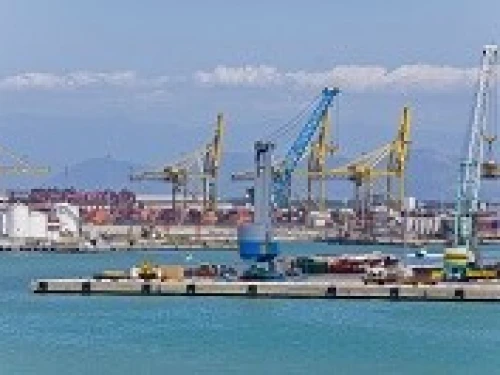
Every Monday we feature “A Stock to Sell” as our daily post. With every stock we recommend as a sell, we give you a full explanation of why we advise against investing in the stock at this time. Westshore Terminals Investment Corp. (symbol WTE on Toronto; www.westshore.com) owns a coal storage and loading terminal at Roberts Bank, B.C., about 30 kilometres south of Vancouver. The terminal started up in 1970....

CANADIAN PACIFIC RAILWAY LTD. $232.18 (Toronto symbol CP; Shares outstanding: 170.6 million; Market cap: $39.7 billion; TSINetwork Rating: Average; Dividend yield: 0.6%; www.cpr.ca) earned a record $400 million in the three months ended September 30, 2014, up 20.8% from $331 million a year earlier. Earnings per share rose 22.9%, to $2.31 from $1.88, on fewer shares outstanding. Revenue gained 8.9%, to a record $1.67 billion from $1.53 billion. CP saw strong revenue gains from shipping grain, crude oil, metals and consumer products. That offset declines in shipments of fertilizer, coal and automotive products....